

Franchise rollouts move fast, and the brands that close deals with landlords and area developers quickly are almost always the ones with the strongest visual pitch decks. Understanding how retail fit-out brands use commercial interior renderings to pitch franchise rollouts to landlords and area developers isn’t just an academic exercise — it’s a practical question that comes up constantly in our studio. We work with fit-out consultants, franchise development managers, and retail brand designers who need to walk into a landlord meeting with more than a floor plan and a brand guideline PDF. They need visuals that make the space feel real before a single partition wall has been quoted. That’s exactly what photorealistic commercial interior rendering delivers.
The challenge is that retail franchise pitches involve multiple stakeholders with different priorities. A landlord in a regional shopping centre wants to know the fit-out will look premium and draw foot traffic. An area developer evaluating a master franchise agreement wants to see consistency — proof that the brand concept scales reliably from one unit to the next. Neither of these audiences is particularly interested in raw CAD drawings or mood boards. They want to see the finished space. And because no finished space exists yet, a photorealistic render is the closest thing to that.
This post covers how the process actually works, what types of renders matter most, and where franchise brands typically go wrong with their visual pitch materials.
Why Landlords Respond Differently to Renders Than to Drawings
Most landlords who manage multi-tenancy retail assets review dozens of leasing proposals each quarter. Their commercial team will have a design approval process, but the decision-makers — often asset managers or investment directors — aren’t architects. They can read a floor plan at a basic level, but they aren’t mentally translating 2D outlines into the brand experience a tenant is describing.
A photorealistic render does that translation for them. When a landlord sees a render showing a fully fitted coffee shop or fast-casual restaurant with correct ceiling heights, brand-accurate signage, accurate material finishes, and a plausible crowd simulation in the background — they’re not imagining a space anymore. They’re evaluating one. That shift changes the entire tone of a leasing conversation.
We’ve seen this play out directly. Fit-out brands that bring a render to their first landlord meeting routinely report that conversations move to commercial terms much faster. The render removes the “we’ll need to see more detail before we can commit” holding pattern that stalls so many early-stage pitch conversations.
It also works in reverse. If your renders look low-quality or inconsistent — badly lit, inaccurate materials, wrong scale — landlords pick up on it even if they can’t articulate why. They associate weak visuals with weak execution capability. The render is a proxy for how seriously you take the brand.
How Retail Fit-Out Brands Use Commercial Interior Renderings to Pitch Franchise Rollouts to Landlords and Area Developers
The most effective franchise pitch packages we produce typically include several distinct render types, each serving a different audience and purpose. Here’s how they fit together:
Hero Interior Views
These are the wide-angle photorealistic shots that show the full brand experience — seating, lighting, signage, material finishes, and the customer-facing layout all in one image. A well-composed hero interior render should do two things simultaneously: communicate the brand identity and demonstrate that the concept can fit the specific shell being pitched. That second point is critical. Generic renders of a brand’s “standard fit-out” are useful background material, but when you’re pitching a specific unit in a specific centre, the render needs to reflect that unit’s actual dimensions, ceiling height, and structural constraints.
This is where we see a lot of brands cut corners and pay for it. They reuse a generic template render that shows the concept in an idealised space. A landlord who knows their own building immediately sees the mismatch — the columns are in the wrong place, the depth is unrealistic, the entrance orientation doesn’t match. It undermines trust instantly.
Contextual Approach Renders
These show the unit from the mall concourse or street level — how the shopfront looks within its actual context. This matters enormously to landlords evaluating visual coherence across their asset. A render showing your brand’s shopfront sitting alongside neighbouring tenants, with correct fascia proportions and signage, helps the landlord visualise how your brand fits their tenant mix.
Variation Renders for Different Unit Configurations
Franchise rollouts rarely involve one unit size. A food and beverage brand might operate in 800 sq ft kiosk formats, 1,500 sq ft inline units, and 3,000 sq ft flagship formats. Each configuration needs its own set of hero renders. Area developers evaluating a master franchise agreement want to see that the brand concept translates across formats — that the same visual identity and customer experience works whether the unit is a corner kiosk or a full-service restaurant. Producing a small library of renders across format types also gives the franchise development team flexible sales collateral they can match to different site opportunities.
The Specific Deliverables That Work Best for Franchise Pitch Decks
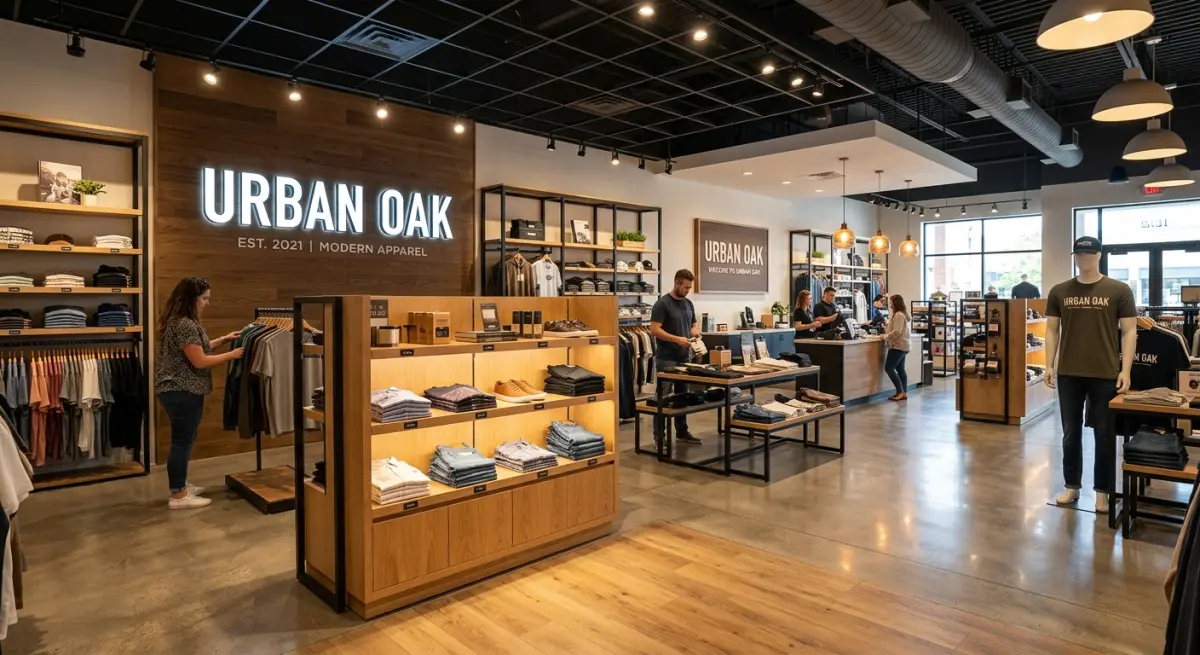
Based on the briefs we receive and what clients report back after their landlord meetings, here’s what actually ends up being used most:
| Deliverable | Primary Audience | Key Purpose |
|---|---|---|
| Hero interior render (2-3 views) | Landlords, asset managers | Brand experience communication |
| Shopfront / approach render | Landlords, design approval teams | Tenant mix fit, visual coherence |
| 3D floor plan with zoning overlay | Area developers, lease negotiators | Operational layout clarity |
| Material and finish callout renders | Fit-out contractors, landlord technical teams | Specification alignment, cost signalling |
| 360-degree virtual walkthrough | Remote landlords, master franchisees | Immersive review without site visits |
The 3D floor plan rendering often gets underestimated in franchise pitches. A flat 2D plan with furniture blocks tells an area developer very little about how the space actually flows. A 3D floor plan with zoning labels — service counter here, waiting zone here, prep kitchen there — communicates operational logic in a way that builds confidence with developers who are evaluating whether the concept can be replicated at scale.
For brands pitching to remote landlords or international master franchisees, a 3D 360 virtual tour rendering is increasingly the standard. It allows a developer in a different city or country to walk through the proposed fit-out without needing to travel, which removes a significant friction point from the approval timeline.
What Franchise Brands Consistently Get Wrong With Their Render Briefs
We see the same mistakes come through the door repeatedly, particularly from brands that are relatively new to using rendering as a sales tool rather than a design confirmation tool.
Treating renders as a design stage output rather than a pitch tool. Design-stage renders are produced for the architect and fit-out contractor. They’re often technically accurate but visually flat — correct geometry, rough materials, placeholder lighting. Pitch renders need to be finished to photorealistic standard with accurate brand materials, proper lighting mood, and populated with human figures and props that communicate how the space feels in operation. The brief has to specify this explicitly.
Not adapting renders to the specific unit being pitched. As mentioned above, using a generic brand template render when you’re pitching a specific shell unit is a credibility problem. The extra cost of modelling the render to the actual unit dimensions is almost always worth it. Landlords notice.
Producing renders too late in the pitch cycle. We often get briefs from clients who have a landlord meeting in ten days and haven’t started their visual package yet. Photorealistic interior renders for commercial spaces typically take one to two weeks depending on scope and revision cycles. If you want to know the realistic timeline before committing, it helps to read something like how long does architectural 3d rendering actually take a projectbyproject turnaround guide — because underestimating production time is one of the most avoidable problems in franchise pitch preparation.
Underinvesting in lighting. Interior lighting is what separates a render that reads as photorealistic from one that reads as a visualisation. In a retail or hospitality context, the lighting design is also part of the brand identity. Warm pendant lighting over a coffee bar, cooler task lighting in a fast-food service area, accent lighting on a feature wall — these details communicate the brand experience without words. If the lighting in your render looks like generic studio illumination, the render isn’t doing its job.
This principle applies broadly across commercial visual pitches, and it’s something we’ve explored in more depth for the hospitality sector in our post on 3D rendering for hospitality interiors how hotels and restaurants use visualisations to secure investor signoff — many of the same dynamics apply to retail franchise pitches.
Scaling the Visual Package Across a Franchise Rollout Programme
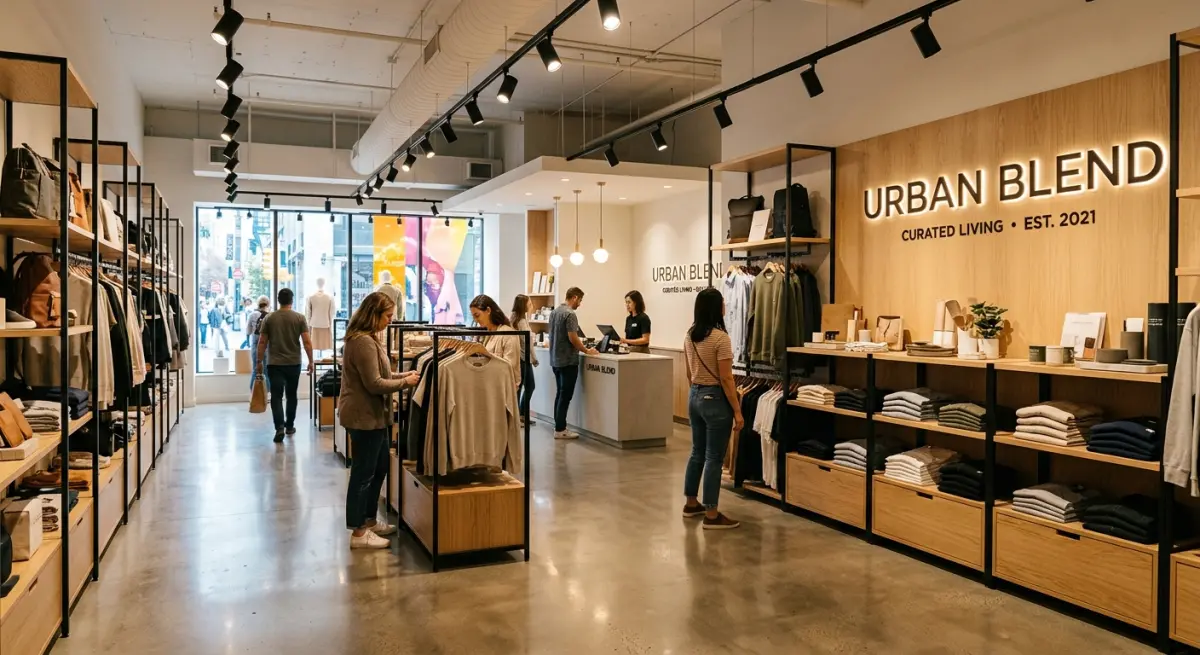
One thing that separates a one-off leasing pitch from a serious franchise rollout programme is the need for scalable visual assets. A brand targeting fifty new units over three years can’t commission bespoke renders from scratch for every single site pitch. What they need is a modular render library — base scenes built to the brand standard in each format type, which can then be adapted with unit-specific geometry changes at a fraction of the cost of building a new scene each time.
We help clients set this up by building the full photorealistic base scene in the first commission, then retaining the source files and scene assets. Each subsequent site-specific adaptation uses the same lighting setup, material library, and camera angles — only the shell geometry changes. This approach significantly reduces both cost and turnaround time for ongoing pitch material, which matters when you’re in active rollout mode and signing leases across multiple regions simultaneously.
It’s also worth noting that this modular approach applies to other asset types in the pitch deck. If you’re working with fit-out contractors who need to price against the visual specification, having render-quality material callouts from the same scene library helps align the tender process too. For more on how renders function within that contractor relationship, our post on commercial interior rendering for fitout contractors how to win more tender bids with photorealistic visuals covers the overlap in detail.
Practical Notes Before You Commission
If you’re a franchise development manager or retail brand director preparing your first serious rendering brief, a few practical observations from our end:
- Provide actual CAD drawings or lease plans for the target unit if possible. If you don’t have them, approximate dimensions from the agent’s floor plan are workable, but accuracy suffers.
- Prepare a brand guidelines document that covers material specs, signage specifications, furniture standards, and fixture preferences. The more specific you are, the more accurate and usable the renders will be in a real pitch context.
- Define the output format early — whether you need static images for a PDF pitch deck, high-resolution prints for a presentation board, or an interactive 360 tour for email distribution. These affect the production workflow.
- Plan for at least one round of revisions. First renders almost always generate feedback once stakeholders see the space in photorealistic form. Budget time and cost for this.
A strong brief is the single biggest factor in getting useful renders out of a studio quickly. If you want a structured guide on how to prepare one, how to brief a 3d rendering studio what architects and developers need to prepare before project kickoff is worth reading before you send through your first brief.
Retail franchise rollouts are competitive, and the brands closing deals with landlords and area developers faster are doing it partly on the strength of their visual pitch. If you’re preparing a franchise pitch package and want to discuss your specific brief, contact us at 360archviz.com and we can walk you through the right render scope for your rollout stage.
Frequently Asked Questions
What are commercial interior renderings and why do retail fit-out brands use them for franchise pitches?
Commercial interior renderings are photorealistic 3D visualizations that show how a retail space will look after a fit-out is completed, including fixtures, lighting, branding, and layout. Retail fit-out brands use them in franchise pitches because they allow landlords and area developers to visualize the finished concept before any construction begins, reducing perceived risk and accelerating approval decisions. This visual storytelling tool bridges the gap between technical drawings and the emotional confidence needed to secure lease agreements or development partnerships.
How do commercial interior renderings help retail brands convince landlords to approve franchise fit-outs?
Renderings give landlords a clear, polished preview of how a franchise fit-out will enhance the aesthetic value and foot traffic appeal of their property, making it easier to justify lease agreements. When landlords can see a branded, professionally designed space rather than interpreting floor plans, they are more likely to approve the concept and negotiate favorable terms. High-quality visualizations also signal that the brand is well-capitalized and serious about execution, which builds trust with property owners managing premium retail locations.
What elements should be included in a commercial interior rendering package for a franchise rollout pitch?
A comprehensive rendering package for a franchise rollout pitch should include multiple camera angles of the interior, accurate brand colors, signage, and material finishes, as well as exterior facade views to show curb appeal. Including day and night lighting scenarios, customer flow visualizations, and contextual shots showing the space populated with people helps area developers evaluate the concept's commercial viability. Some brands also include animated walkthroughs or virtual reality experiences to make the pitch more immersive and memorable during presentations.
How do area developers use commercial interior renderings when evaluating a franchise territory opportunity?
Area developers use commercial interior renderings to assess whether a franchise concept is adaptable to multiple site types within their territory, such as mall inline spaces, street-front locations, or standalone buildings. The visualizations help them evaluate build-out costs more accurately by showing material specifications and layout complexity before engaging contractors for estimates. Renderings also serve as a sales tool area developers can present to their own local landlord contacts, shortening the site acquisition timeline across multiple locations within their development agreement.
What is the ROI of investing in high-quality commercial interior renderings for a retail franchise fit-out pitch?
Investing in high-quality commercial interior renderings typically costs between a few thousand to tens of thousands of dollars but can accelerate deal closings by weeks or months, directly reducing vacancy costs and franchise ramp-up timelines. Brands that use professional renderings in their pitch decks report higher conversion rates with both landlords and area developers because the visual confidence they project reduces negotiation friction and objections. Over a multi-unit rollout, the compounded time savings and improved lease terms secured through stronger pitches can generate an ROI that far exceeds the initial rendering investment.


