
If you’ve ever requested a quote for architectural rendering and felt completely in the dark about whether you were being overcharged or getting a bargain, you’re not alone. Pricing in the architectural visualization industry has always been notoriously opaque — studios quote differently, freelancers price by the hour, and the final number often seems to come out of thin air. In 2026, the landscape has shifted significantly. AI-assisted modeling tools, more accessible rendering software, and a global pool of talent have all influenced what developers should expect to pay.
It’s worth noting upfront that rendering isn’t a single service. It’s a broad category that includes everything from simple exterior stills to fully animated walkthroughs, interactive virtual tours, and photorealistic interior scenes. Each type carries its own pricing logic, timeline, and value proposition. Let’s break it all down.
The Core Factors That Drive Rendering Costs
Before quoting a single number, any reputable rendering studio will ask you several questions — and rightly so. The complexity of your project is the single biggest cost driver. A simple detached house with clean geometry and standard landscaping is vastly different from a high-rise mixed-use development with complex facade detailing, night-day lighting variations, and multiple camera angles.
Here are the primary factors that influence your final price:
- Project complexity: Intricate architectural details, custom furniture, bespoke landscaping, and reflective materials all increase render time and artist labor.
- Number of views or scenes: Each unique camera angle typically requires its own setup, lighting, and post-production work.
- Level of photorealism: Standard marketing quality differs from ultra-photorealistic images destined for large-format print or award submissions.
- Turnaround time: Rush projects almost always carry a premium — sometimes significantly so.
- Source material quality: If your CAD files are clean and complete, the modeling phase is faster. If the team has to interpret sketches or incomplete drawings, expect additional charges.
- Geographic location of the studio: Studios based in North America, Western Europe, or Australia typically charge more than equally talented teams in Eastern Europe, Southeast Asia, or Latin America.
Understanding these variables helps you approach pricing conversations with confidence and ensures you’re comparing quotes on a like-for-like basis.
Typical Price Ranges by Rendering Type
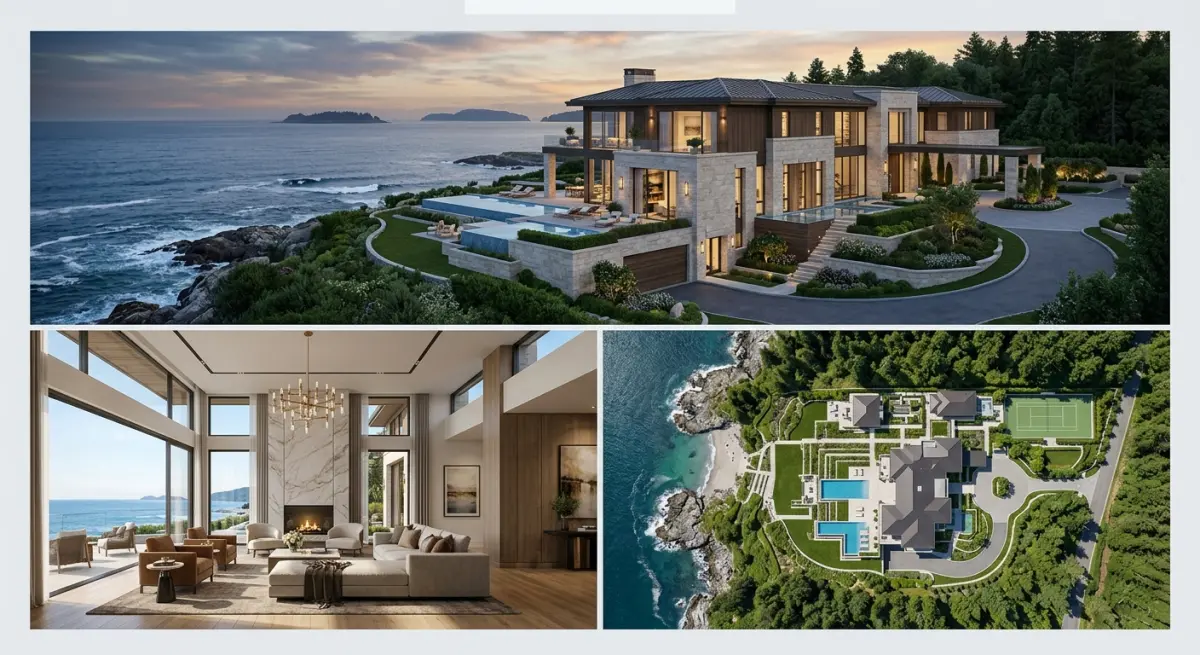
While exact pricing varies widely, the following ranges reflect what developers commonly encounter when working with professional rendering studios in 2026. These are general benchmarks — not guarantees — and your specific project may fall above or below these figures depending on the factors above.
Exterior Still Renderings: For a single exterior view of a residential property at marketing quality, prices typically range from a few hundred dollars with a budget freelancer to several thousand dollars with a premium studio. A mid-range, competent studio producing high-quality work for a standard detached home generally sits in the $800–$2,500 range per image. Large commercial or multi-unit residential projects can push well beyond that.
Interior Still Renderings: Interior scenes require careful attention to lighting, material textures, furniture placement, and atmosphere. A single photorealistic interior image from a reputable studio commonly falls in the $600–$2,000 range, with high-end luxury projects commanding more. If you’re weighing your options here, it’s worth reading about virtual staging vs full 3d residential interior rendering which delivers better roi for developers — the answer isn’t always what developers expect.
Animated Walkthroughs: Animation is where costs escalate quickly. A 60–90 second architectural flythrough for a residential development can range from $3,000 on the lower end to $15,000 or more for a complex, fully produced sequence with music, voiceover, and advanced camera work. Feature-length property tours or mixed commercial/residential animations can run significantly higher.
Virtual Tours and Interactive Renders: 360-degree virtual tours and interactive experiences occupy the premium tier. These are not just rendered images — they’re navigable environments that require substantial development work. Budget accordingly: entry-level interactive tours start around $2,500–$5,000, while bespoke experiences with custom interfaces can reach tens of thousands.
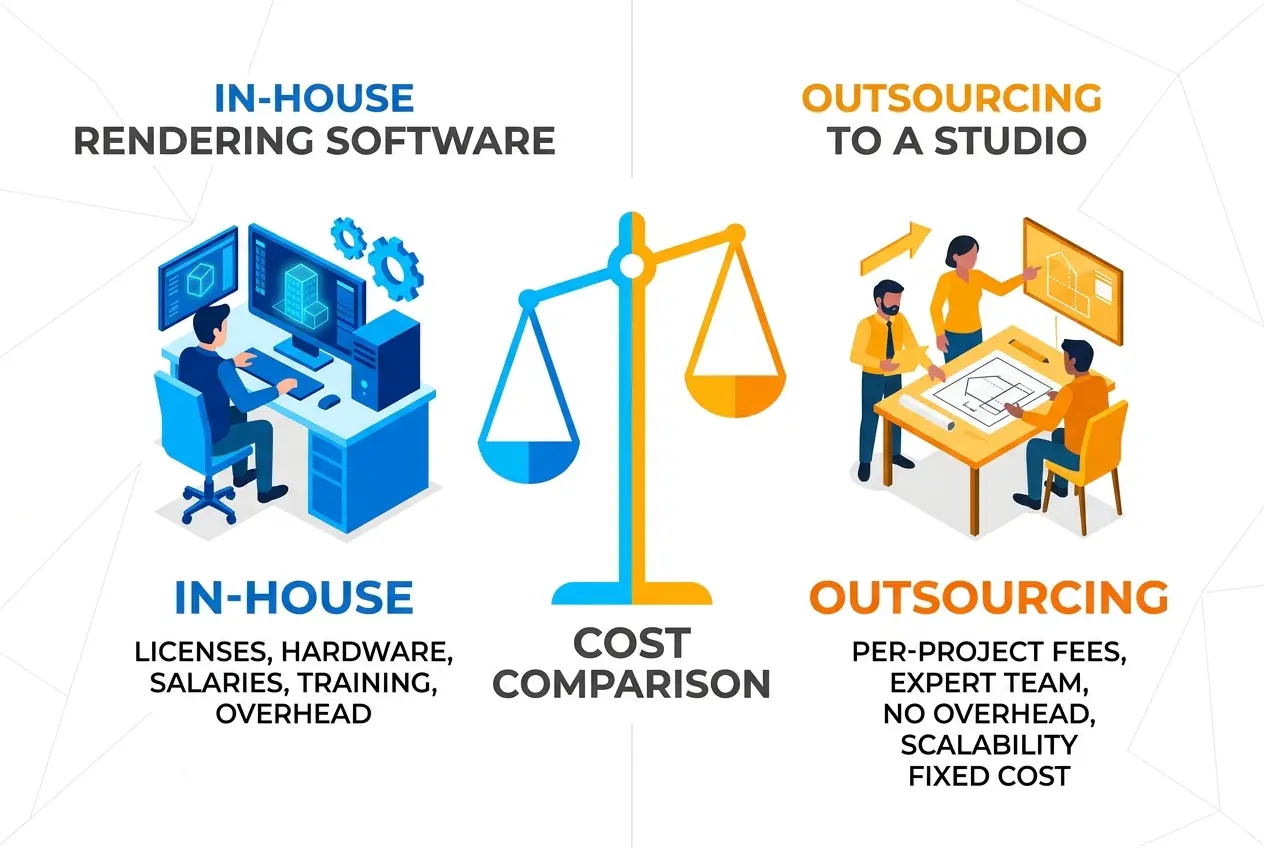
Freelancers vs. Studios: What’s the Real Difference?

Many developers assume that hiring a freelancer is simply the budget option and a full studio is the premium route. In practice, the distinction is more nuanced. Some of the most talented architectural visualization artists in the world work independently, while some studios produce mediocre work at elevated prices simply because of their brand positioning.
The genuine advantages of working with an established studio include project management, consistent quality control, dedicated account handling, and the ability to absorb large-volume projects across multiple team members. If you’re producing 40 renders for a major development campaign with a tight deadline, a studio will typically manage that workload more reliably than a solo artist.
Freelancers, on the other hand, often offer more competitive pricing, direct communication, and greater flexibility — particularly valuable for smaller developers or one-off projects. The key is vetting their portfolio carefully and ensuring they have experience with comparable project types. You can explore the range of professional rendering services available by visiting the homepage to understand what a full-service visualization studio offers.
Hidden Costs Developers Often Overlook
Quoted prices don’t always tell the full story. Several common line items catch developers off guard:
- Revision rounds: Most studios include one or two rounds of revisions in their base price. Additional changes — particularly scope changes like altering the architectural design mid-project — can incur significant fees.
- Licensing for assets: Premium furniture models, branded vehicle renders, or licensed landscape assets may carry additional costs if the studio needs to purchase them for your project.
- File format delivery: Requesting multiple file sizes, formats, or print-ready versions may add to your invoice.
- Rush fees: If your timeline compresses unexpectedly, expect a surcharge. Planning ahead is the single easiest way to keep rendering budgets in check.
Always ask for a detailed scope of work before signing off on a project. A professional studio should be transparent about what’s included and what will trigger additional charges.
Practical Tips for Getting the Best Value
Getting excellent rendering results at a fair price is less about finding the cheapest option and more about working efficiently with your chosen team. Here’s what experienced developers do differently:
Provide complete briefing materials from the start. Clean CAD files, clear mood boards, material specifications, and defined camera angles reduce back-and-forth and keep projects on schedule. The less ambiguity in your brief, the faster and cheaper the project will run.
Bundle your views. Most studios offer better per-image pricing when you commission multiple views at once. If you need six exterior renders, commissioning them as a package will almost always cost less than ordering them one at a time.
Be realistic about timeline. Building in adequate lead time — typically two to four weeks for a standard still image project — removes the need for rush pricing. Large animation or interactive projects may require eight to twelve weeks of planning and production.
Match the render quality to the use case. Not every image needs to be ultra-photorealistic. Planning permission images, internal concept reviews, or early investor presentations may be well served by a faster, slightly more illustrative style — which can cost considerably less while still communicating the design effectively.
For more insights on architectural visualization, project types, and industry trends, the blog is a valuable resource covering topics relevant to developers and architects alike.
Conclusion: Invest Wisely in Visualization
Architectural rendering in 2026 is more accessible than ever, with a wider range of pricing options and service levels available to developers of all scales. But the fundamental truth remains: you generally get what you pay for. A beautifully executed render can be the difference between a sold-out pre-launch campaign and a slow rollout. The investment in quality visualization often pays back many times over in buyer confidence, investor engagement, and planning approval success.
The smartest approach is to treat rendering not as an expense to minimize, but as a strategic marketing tool to optimize. Understand what you’re buying, communicate clearly with your studio or freelancer, and budget for the quality level your project deserves.
If you’re ready to discuss a project or want to understand what a professional visualization partner can deliver for your development, don’t hesitate to contact us — we’d be glad to walk you through options tailored to your goals and budget.
Frequently Asked Questions
How much does architectural rendering cost in 2026?
Architectural rendering costs range from $500 to $5,000+ per image depending on complexity, with exterior renders averaging $800–$2,500 and interior renders averaging $500–$2,000. High-end photorealistic renders for large commercial projects can exceed $10,000.
What factors affect the price of architectural renderings?
The main cost drivers include scene complexity, level of detail, turnaround time, and whether you hire a freelancer or a studio. Animation, 360-degree virtual tours, and rush delivery can significantly increase the final price.
Is it cheaper to hire a freelance renderer or a rendering studio?
Freelance renderers typically charge 30–50% less than studios, with rates ranging from $300–$1,500 per image versus $1,500–$5,000 at established firms. However, studios offer faster turnaround, revisions, and more consistent quality for large-scale projects.
How many revisions are typically included in an architectural rendering quote?
Most rendering quotes include 2–3 rounds of revisions, with additional changes billed at $50–$200 per hour depending on the provider. Always confirm revision policies upfront to avoid unexpected costs that can add 20–40% to your total budget.
Also read: 3D Walkthrough vs 3D Flythrough: Which Presentation Format Wins More Real Estate Approvals